Articles about our field, clinical studies related to our products, and informative pieces about diseases.
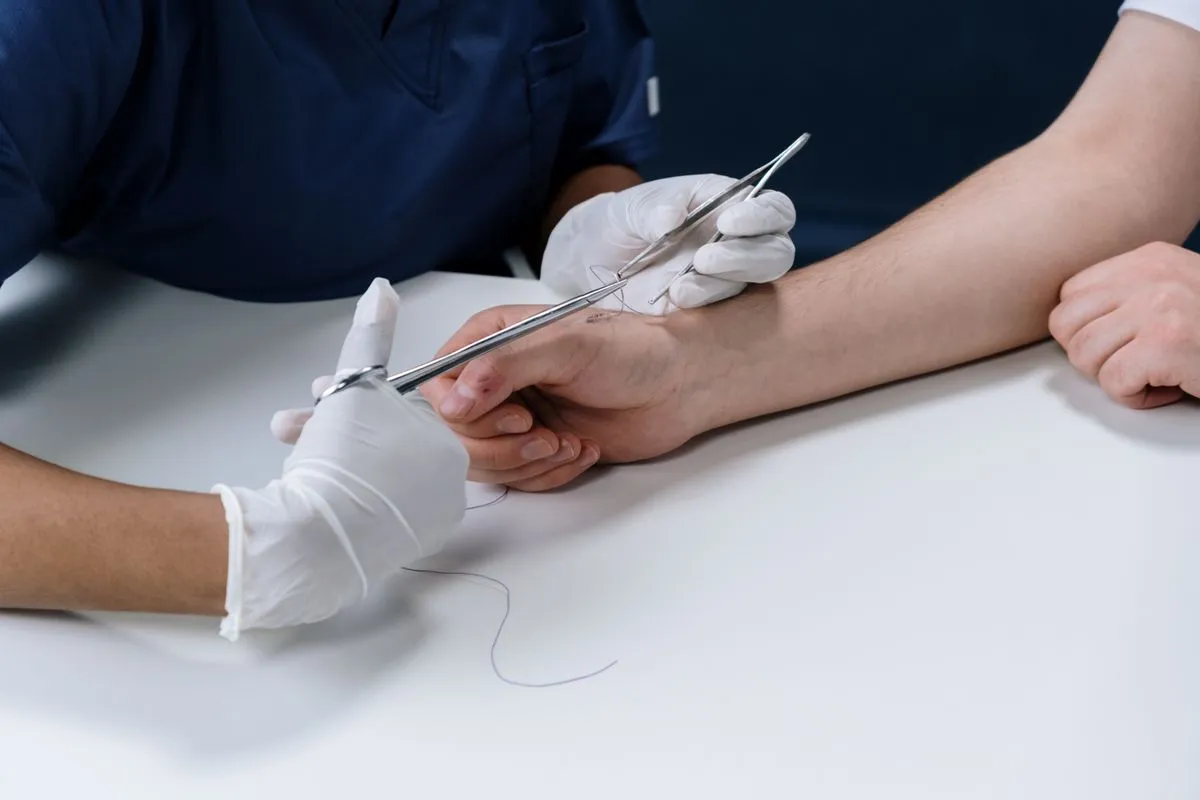
A study comparing two stump-closure techniques in difficult gallbladder surgery finds barbed-suture reconstitution takes longer to close but may suit the toughest anatomy.
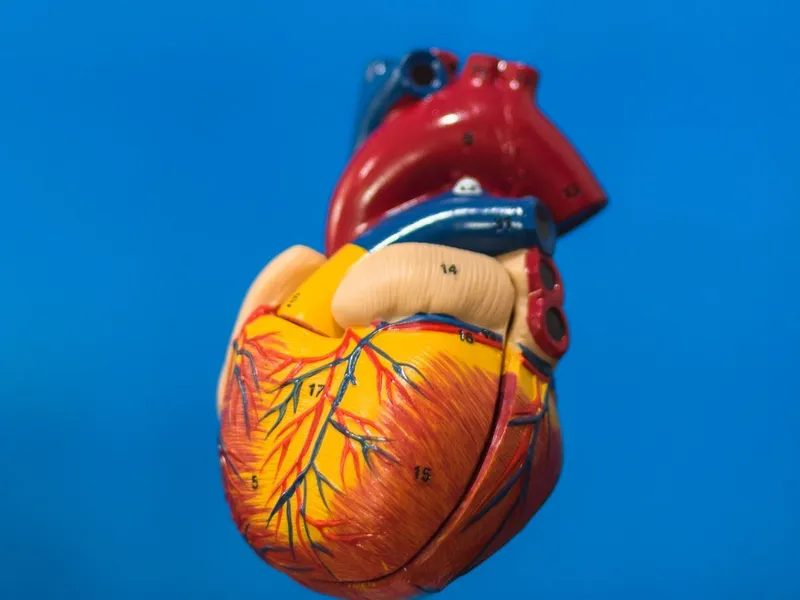
A 391-patient series shows that more leaflet-grasping attempts during PASCAL-based mitral repair don't compromise procedural safety.
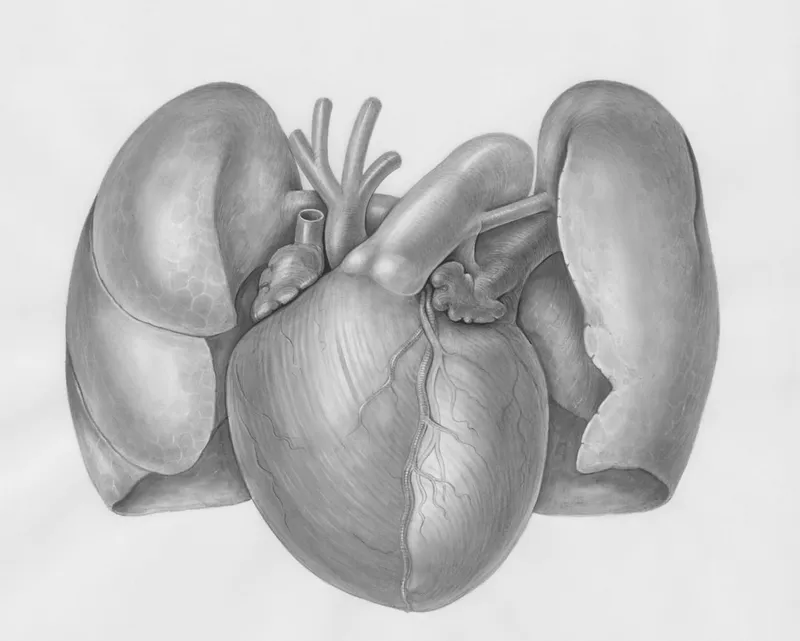
A large Japanese cohort study shows aortic dissection risk in women with Marfan-related disorders remains elevated well into the postpartum period.
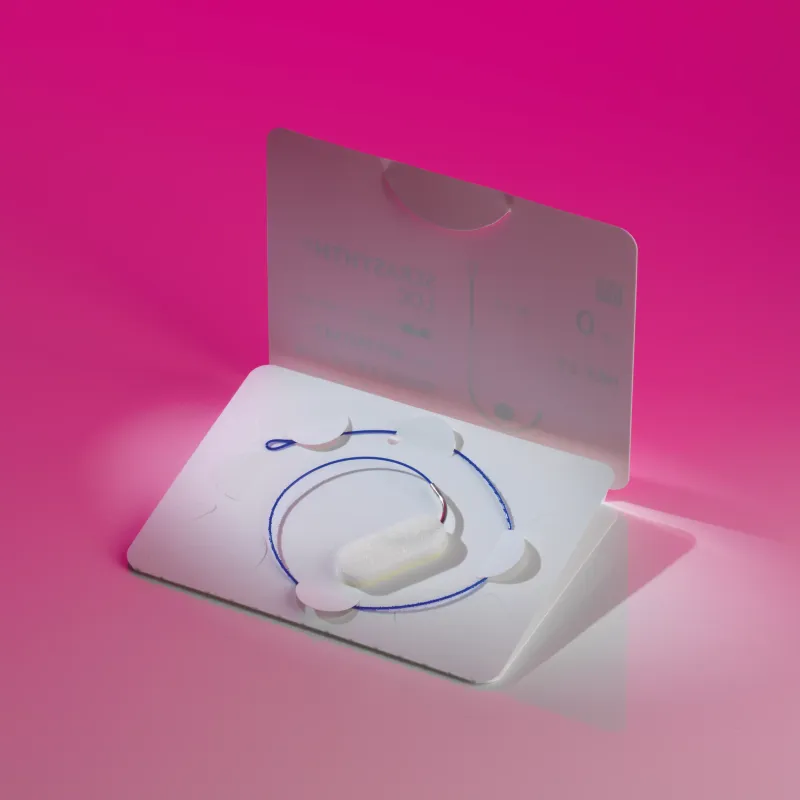
Barbed sutures carry microscopic projections, or barbs, cut into the thread at defined angles and intervals. These barbs allow the suture to advance freely in the direction of insertion while resisting movement in the opposite direction. The result is a suture line that anchors itself without knot tying.
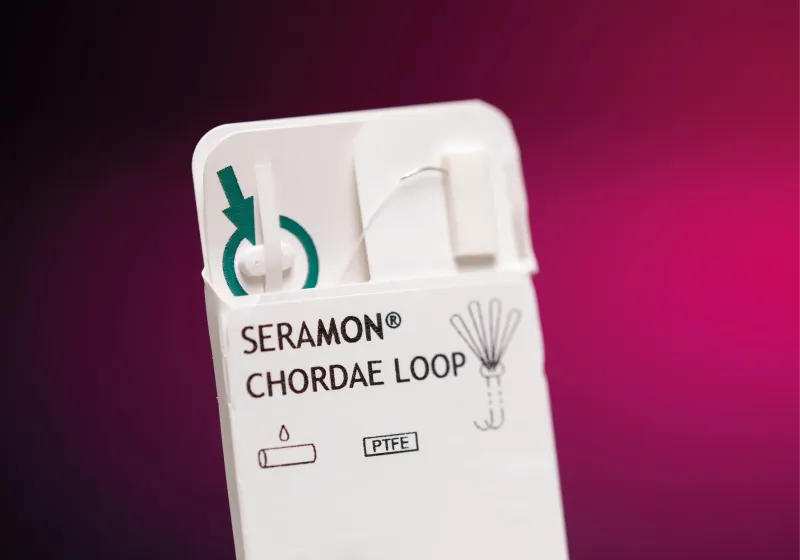
For many years, the standard solution was to remove the diseased valve entirely and implant a prosthetic one. Today, in suitable patients, the preferred approach has shifted: repair the valve rather than replace it.
