
The mitral valve sits between the left atrium and the left ventricle, keeping blood moving in one direction through the left side of the heart. When the valve fails to close properly, part of the blood flows backward — a condition known as mitral regurgitation. When the valve cannot open widely enough, the result is mitral stenosis. In either case, the heart must work harder to deliver the same output.
For many years, the standard solution was to remove the diseased valve entirely and implant a prosthetic one. Today, in suitable patients, the preferred approach has shifted: repair the valve rather than replace it.
Why repair instead of replacement?
Mitral valve repair is built on the principle of preserving the patient's own tissue. The main reasons this approach is favoured include:
The heart's natural geometry is preserved. The mitral valve is not simply a door; it is connected to the left ventricle through the papillary muscles and thread-like structures called chordae tendineae. Maintaining these connections supports ventricular contractile efficiency. Lifelong anticoagulation is often avoided. Most patients receiving a mechanical valve require blood thinners for life. After a successful repair, this need frequently does not arise. Lower risk of infection. With less foreign material implanted, the risk of valve infection (endocarditis) is comparatively reduced. Favourable long-term outcomes. In experienced centres and in appropriately selected patients, repair has been associated with good long-term survival and quality of life.
How is a repair performed?
Mitral valve repair is not a single procedure but a combination of techniques chosen according to the underlying problem. The most commonly used methods include:
Annuloplasty. When the ring of tissue surrounding the valve (the annulus) dilates over time, the leaflets can no longer meet fully. A dedicated ring or band is implanted to restore the annulus to an appropriate size. This forms part of virtually every repair.
Leaflet resection and reconstruction. Prolapsing or redundant leaflet tissue is partially excised and the remaining tissue is reapproximated.
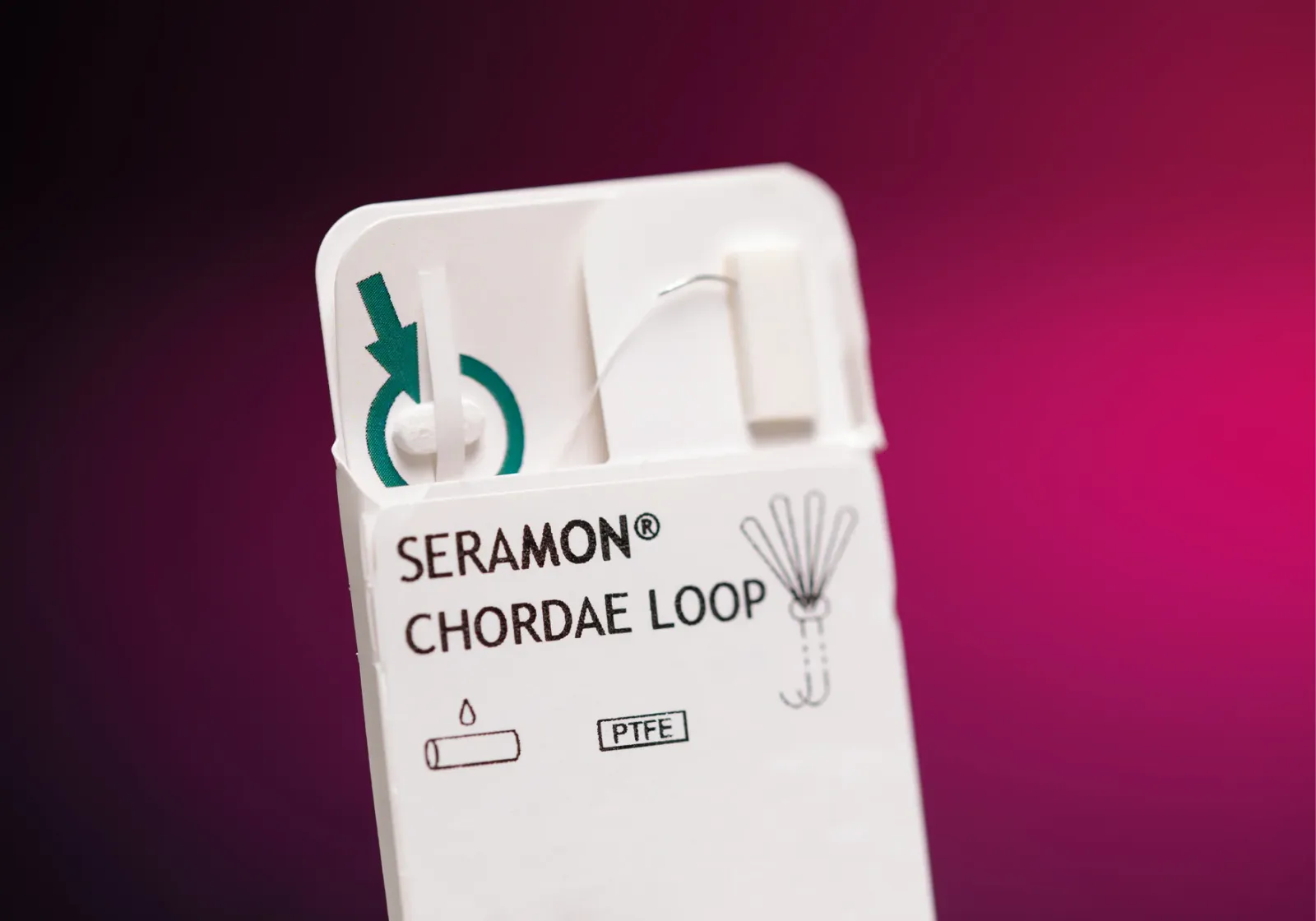
Neochordae implantation. Ruptured or elongated chordae are substituted with artificial sutures, holding the leaflet in its correct position.
Leaflet approximation techniques. In specific anatomical situations, portions of the leaflets are joined to reduce backward flow.
Non-surgical options
For patients considered high-risk for open surgery, transcatheter mitral valve repair techniques may be considered. These approaches treat the valve using devices advanced through the vascular system, without opening the chest. Which patient is suited to which method is determined by the heart team, taking into account valve anatomy, comorbidities and overall surgical risk.
Recovery and follow-up
Length of hospital stay after repair varies with the patient's general condition and the technique used. Minimally invasive approaches are generally associated with a shorter recovery period. Regular follow-up with echocardiography is important thereafter, to monitor the durability of the repair.
Early diagnosis makes a difference
Mitral regurgitation can remain silent for a long time. By the time symptoms such as shortness of breath, fatigue on exertion, palpitations or leg swelling appear, changes in the heart may already be difficult to reverse. For this reason, evaluating individuals with a detected murmur or known risk factors by echocardiography is critical to planning treatment at the optimal time.
About 7Medikal
As one of Türkiye's trusted suppliers of advanced technologies in cardiovascular surgery, we continue to support healthcare professionals in their work. Please contact us for information about our products and training programmes.
This article is provided for general information purposes only and does not constitute medical advice. The diagnosis and treatment of heart valve disease is specific to each patient; please consult a cardiologist or cardiovascular surgeon for assessment and treatment decisions.